Habibi Come to Dubai | Campaign
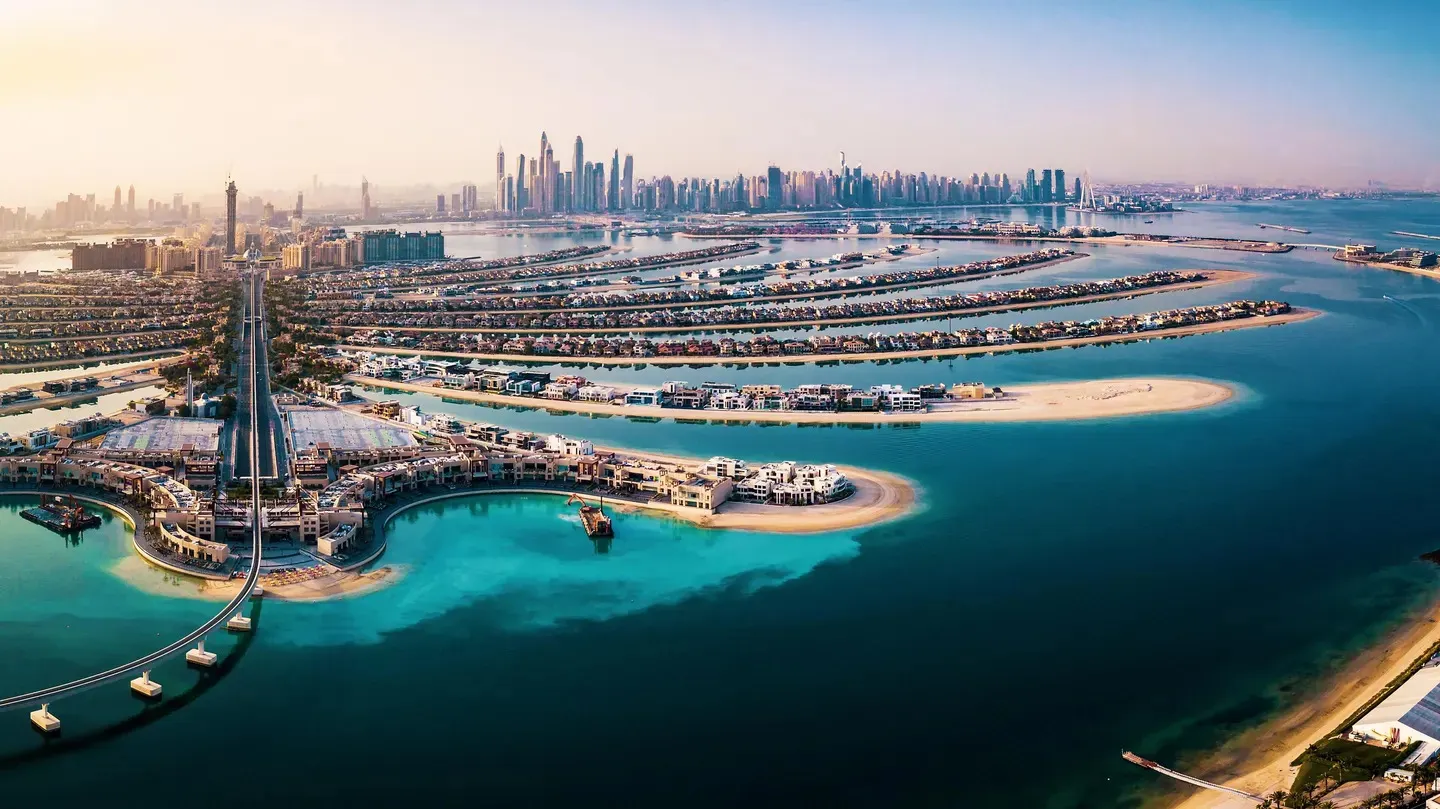
“You say that money can’t buy happiness? Habibi, come to Dubai.”
Try to remember the Dubai experience before the US–Iran conflict. It was a mad-money experience. Even if you were not spending huge amounts, you could still create viral TikTok videos showcasing Dubai’s luxury lifestyle.
“Habibi, come to Dubai” was a campaign of that kind. Surprisingly, it was not an intentional campaign by the UAE government or the tourism board. It began as a short, catchy line in TikTok and Instagram videos around 2021–2022, often paired with clips of luxury cars, malls, skyscrapers, desert nights, and other high-end experiences in the UAE.
It was an organic campaign that emerged entirely on social media platforms, driven mainly by macro and micro influencers.
An early and widely shared video is credited to Ali Tawba, a Jordanian medical student in Ras Al Khaimah, who posted the full line in 2021.
From meme to marketing campaign
In February 2022, the phrase gained a professional audio backbone with the release of “Habibi Come To Dubai” by Drinche ft. Dalvin, an Oriental/EDM track that sampled or echoed the same hook.
Over the next few years, the song accumulated:
- ~4.6M
- streams on Spotify
- ~15.6M
- views on YouTube
Habibi Come To Dubai — Drinche ft. Dalvin
At the same time, thousands of Instagram Reels and TikTok videos began using a short audio snippet of a male voice saying, “Habibi, come to Dubai,” with a strong Arabic accent.
This audio clip helped drive mass UGC (user-generated content) adoption. Almost every tourist who visited Dubai during that period seemed to create a short video and upload it to social media using this sound.
By this stage, “Habibi, come to Dubai” functioned as an unofficial but highly effective marketing campaign for the city. It was not created by the Dubai Department of Economy and Tourism, yet it aligned perfectly with Dubai’s image of luxury, safety, and opportunity.
Can this be replicated?
The real question is: if this happened organically, can we intentionally create something similar for other tourist destinations?
Could we develop a catchy phrase for Sri Lanka and launch a carefully planned UGC-driven marketing campaign using 1,000 macro creators, followed by micro and nano creators?
Wouldn’t that potentially be more effective than paying massive payouts to celebrity brand ambassadors to promote tourism?