There is a new guy in town.
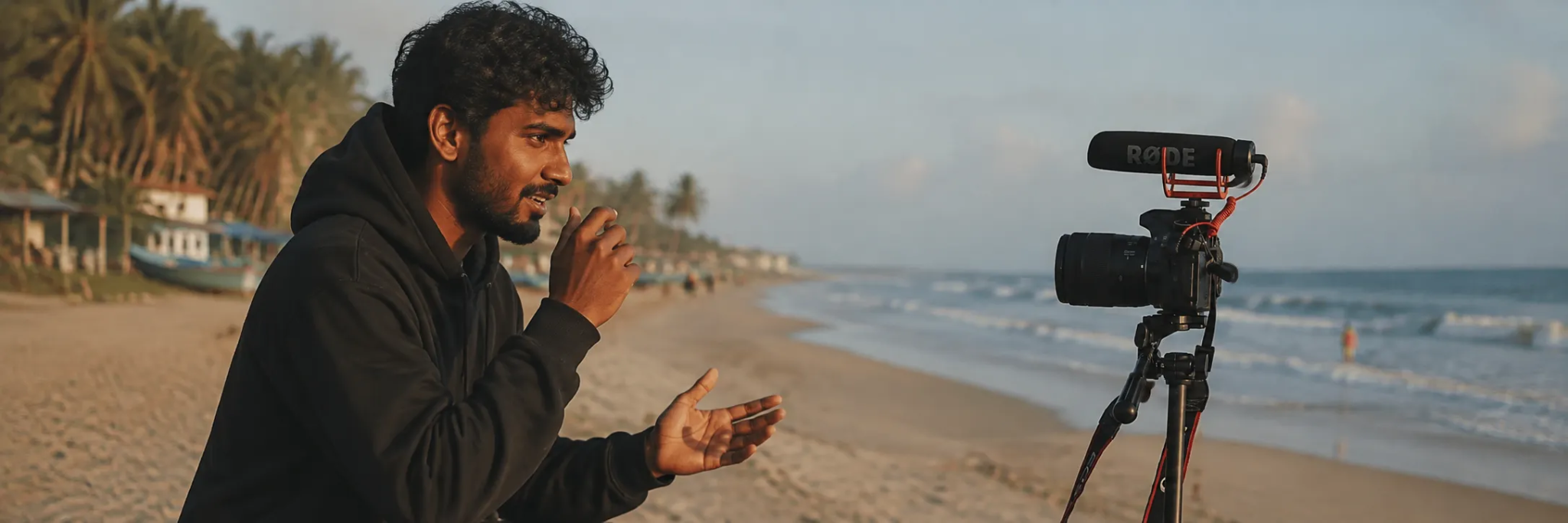
Content creation is not a new concept. In fact, it is a very general concept. However, the spotlight shifted to content creators with the rise of social media, because these platforms created a level playing field for anyone to create any kind of content — literally any content.
YouTube started celebrating content creators, and it became the new trend. There were creators making good content, bad content, funny content, sad content, news content, and every other kind of content imaginable. The main goal was to get more and more views, which automatically created a follower base around the creator. Then monetization began, which motivated even more people to become content creators and make a living from it.
That is the story up to now.
There is now a new shift in the economy. AI is emerging, fake content is swarming online spaces, and new entrepreneurs are rising. New businesses are starting everywhere, and the manufacturing industry is becoming faster and more efficient. A lot is happening.
More importantly, commerce is increasingly moving into the online world in one way or another. E-commerce still accounts for only about 20% of total global retail sales, but much of the remaining 80% is also connected to the online space through marketing and brand awareness campaigns. It is now absolutely necessary to have an online presence on social media and search engines when starting a new brand.
But how can a brand stand out in this era?
Earlier, the playbook was simple: create a good social media profile and a good website. If your Instagram or TikTok page could grab the attention of your target customers, you were in a strong position to sell your products.
However, with the rise of AI-generated fake content and the increasing competition in almost every industry, standing out online has become much more difficult. Everyone is starting to look polished on Instagram and TikTok. As a result, customers and viewers find it harder to decide what to buy and whom to trust.
That responsibility is slowly shifting toward content creators. Companies are building communities of content creators around their brands.
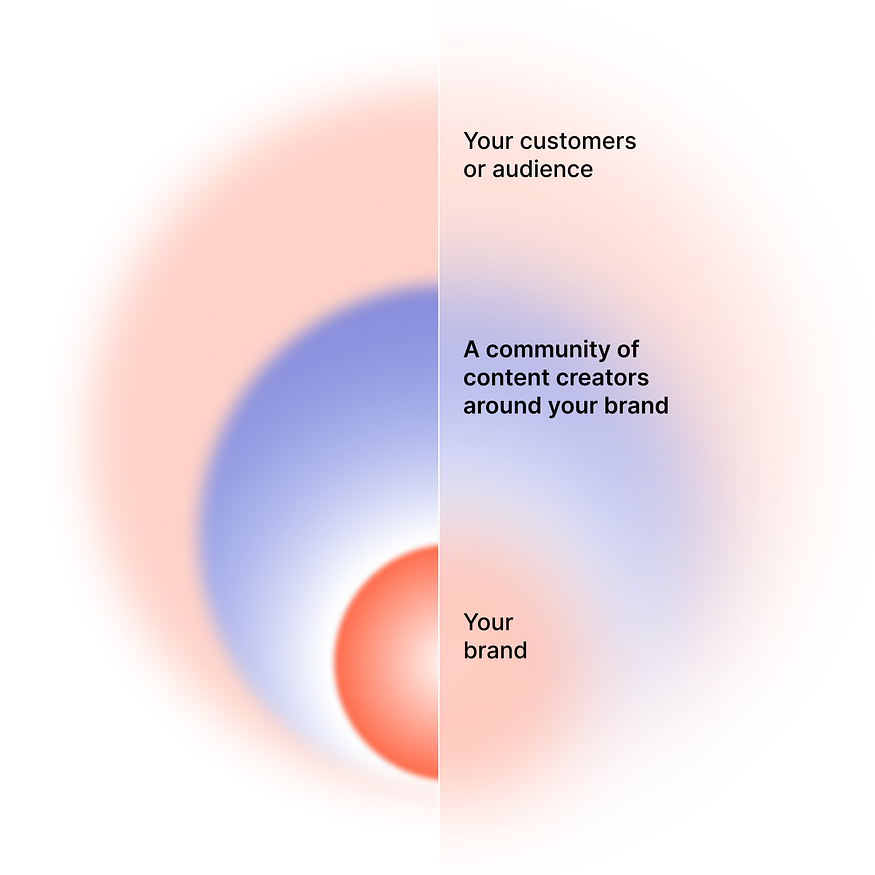
A new layer is emerging between brands and their customers.
Social media influencers and content creators know how to capture the attention of their audiences, and those audiences often trust the creators more than they trust brands themselves. Content creators are becoming the faces of brands and, in some cases, their sales agents as well. A very good example is the athleisure wear market. Many brands in that industry have promoted their products through social media influencers who are also fitness enthusiasts (Gym rats).
I believe it will become a necessity for every brand to build a community of content creators around its products and services, who can represent the brand image properly. Live shopping is coming. Social shopping is coming. There may be situations where an entire company’s revenue depends heavily on how effective its content creators are. At the same time, creators are building their own personal brands to secure more deals within the industries they are interested in.
However, this service ecosystem is still disorganized and messy. Since the creator economy is becoming a subset of the gig economy, it is becoming increasingly clear that more intermediaries are needed to manage the relationship between creators and brands. A platform is needed — perhaps several digital platforms that cater to specific services within the creator economy.
It’s safe to say that the creator economy is here.