Poverty of Trust

I doomscroll for many hours a day. For me, it is an experiment.
Sometimes, I wonder about the purpose of these videos, both from the content creator’s side and from my side as the viewer.
The biggest category of reels I see is content created to go viral. Simple as that: the goal is to get more views. All of these reels tap into some kind of emotion in the viewer’s mind. Some tap the lust of men, some tap the insecurities of women, some posts are just humorous. But all of them are designed with the expectation of going viral.
Meta, TikTok, YouTube, and other platforms heavily incentivize content creators because creators help keep my very limited attention inside the platform. It is a cost-arbitrage model for social media platforms. It is like a “thank you, machan” tip for keeping eyeballs on the platform, so that the same platform can bring in more and more ad revenue.
The other main category of reels is paid ads by brands. There are millions of ads running constantly, and I do not remember 99% of them even after one hour of scrolling. But I still keep scrolling. Even though my attention is available for these brands, something is missing.
There is a famous quote from the scientist from the 1970s:
“A wealth of information creates a poverty of attention.”Herbert A. Simon
Information became abundant many years ago, and as a result, we saw the rise of attention poverty. Now, with AI, intelligence is becoming abundant. That creates a poverty of trust.
These days, I often tend to distrust any information coming to me through these platforms. Seeing is not believing anymore. Not now.
So what is the next effective thing for brands trying to acquire customers?
Paid ads are not enough.
There is another observation from my doomscrolling experiment. If I see several reels from different creators talking about the same message, event, or brand, then I tend to trust that message a little more. That is user-generated content, or UGC.
UGC has existed for the last few years, but there is now an increased need for it because we are in the era of “trust poverty.”
Humans are social animals. We are more likely to believe something if many people in our community believe it. That is how religions evolved. That is how stupid people get elected to the highest offices. It happens through word of mouth.
Religion was marketed through word of mouth. That is the ultimate form of marketing.
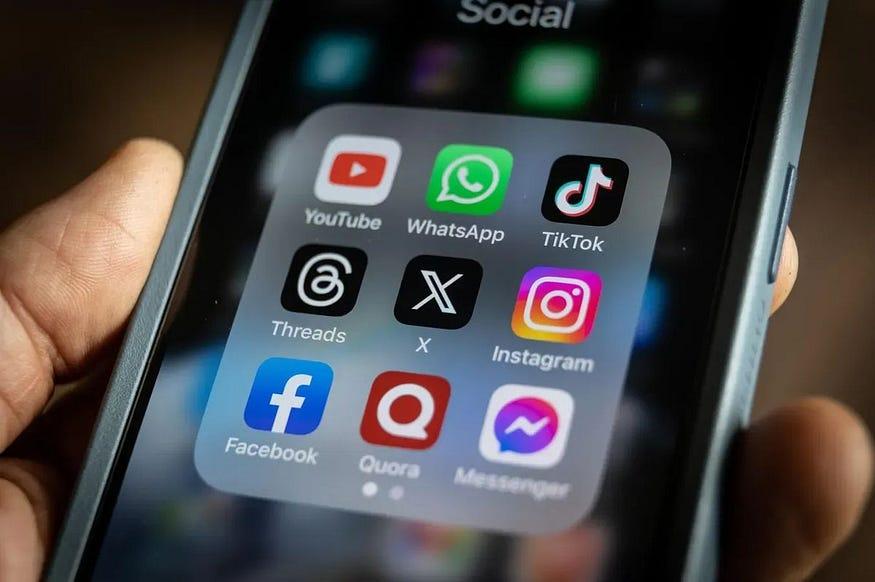
Digital attention was monetized by social media platforms. Now, trust needs to be monetized. Digital “Word of mouth” needs to be monetized.
We are seeing the poverty of trust in this AI-driven world.
Even with this article, one might wonder whether it was AI-generated.